Push-Pull-Beine-Plan: Ein praktischer 6-Tage-Plan für Muskelaufbau und Kraft
28. Mai 2026
Ein Push-Pull-Beine-Plan funktioniert gut, weil er deinem Training Struktur gibt, ohne es kompliziert zu machen.
Du trainierst zusammengehörige Muskeln gemeinsam, wiederholst jedes Muster zweimal pro Woche und bekommst genug Übung, um sowohl Muskeln als auch Kraft aufzubauen.
Der Schlüssel ist nicht einfach nur „Push, Pull, Beine“. Der Schlüssel ist, schwere Arbeit, Hypertrophie-Arbeit mit höheren Wiederholungen, Regeneration und Progression auszubalancieren.

Die einfache Antwort
Ein guter Push-Pull-Beine-Plan sollte jede große Muskelgruppe ungefähr zweimal pro Woche trainieren.
Ein praktischer Wochenaufbau sieht so aus:
| Tag | Fokus |
|---|---|
| Tag 1 | Beine, Quadrizeps-Fokus |
| Tag 2 | Push, Brust-Fokus |
| Tag 3 | Pull, Lat-Fokus |
| Tag 4 | Beine, Fokus auf hintere Kette |
| Tag 5 | Push, Schulter-Fokus |
| Tag 6 | Pull, Fokus auf mittleren Rücken |
| Tag 7 | Pause |
Das gibt dir genug Frequenz, um besser zu werden, aber genug Variation, damit du nicht alle paar Tage exakt dasselbe Workout wiederholst.
Das erste Workout jedes Musters kann stärker kraftorientiert sein. Das zweite kann mehr Maschinen, Kabelzüge, höhere Wiederholungen und kontrollierte Ausführung nutzen.
Diese Kombination funktioniert gut für Lifter, die stärker werden und sichtbar Muskeln aufbauen wollen.
Warum Push Pull Beine funktioniert
Push Pull Beine ist einfach, weil jeder Tag eine klare Aufgabe hat.
Push-Tage trainieren Brust, Schultern und Trizeps.
Pull-Tage trainieren Rücken, hintere Schultern, Trapez und Bizeps.
Beintage trainieren Quadrizeps, Beinbeuger, Gesäß, Waden und Core.
Das macht die Übungsauswahl leichter. Es hält auch überschneidende Ermüdung unter Kontrolle. Zum Beispiel wird dein Trizeps an Push-Tagen trainiert und nicht zufällig nach einem schweren Pull-Tag ergänzt. Dein unterer Rücken wird nicht in jeder Einheit zerlegt. Deine Schultern bekommen über die Woche Drücken, Seitheben und Arbeit für die hinteren Schultern.
Für die meisten Anfänger bis fortgeschrittenen Lifter ist das genug Struktur, um Fortschritte zu machen, ohne ein kompliziertes Programm zu brauchen.
Der vollständige 6-Tage-Push-Pull-Beine-Plan
Nutze die Workouts unten als Vorlage. Starte in Woche eins konservativ. Lass bei den großen Lifts ein paar Wiederholungen in Reserve und gehe dann bei sichereren Maschinen-, Kabelzug- und Isolationsübungen näher ans Muskelversagen.
Tag 1: Beine mit Quadrizeps-Fokus
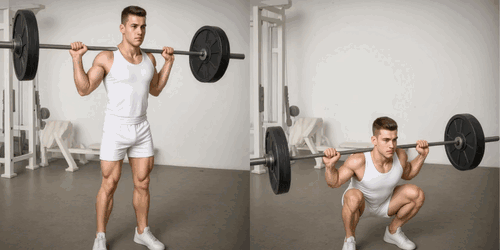
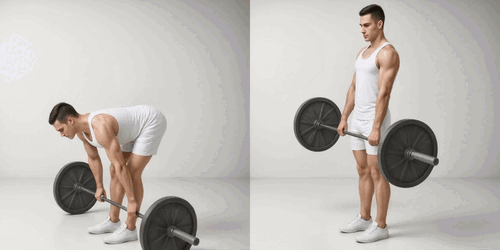
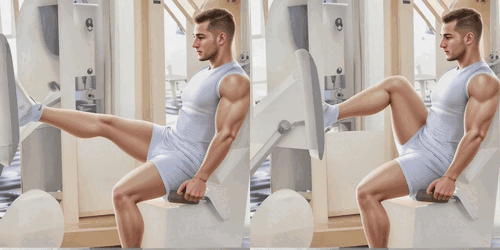
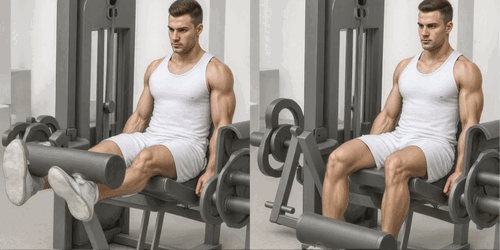
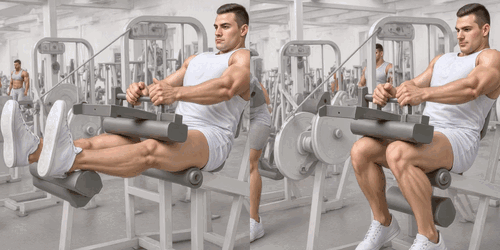
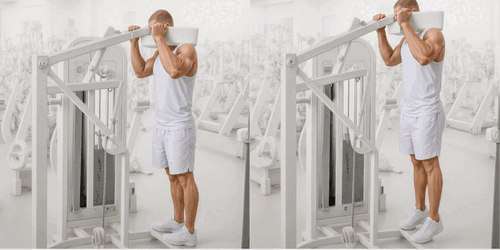
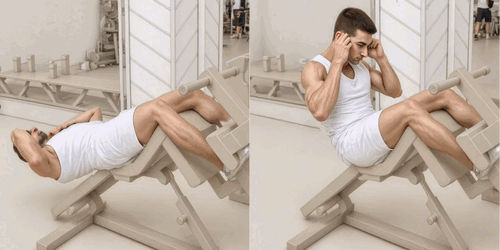
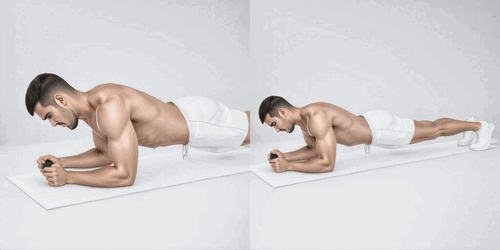
Nutze diesen Tag, um das Kniebeugen-Muster hart zu trainieren, und ergänze dann genug direkte Arbeit für Quadrizeps und Beinbeuger, damit die Einheit vollständig ist.
Eine gute Struktur:
| Übungstyp | Sätze | Wdh. | Belastung |
|---|---|---|---|
| Haupt-Kniebeuge | 3 | 4–6 | 2–4 Wiederholungen in Reserve |
| Hip Hinge | 3 | 8–10 | kontrolliert, nicht maximal |
| Einbeinige Beinpresse | 3 | 12–15 je Bein | nah ans Muskelversagen |
| Beinstrecker | 3 | 10–15 | langsame negative Phase |
| Sitzender Beinbeuger | 3 | 10–12 | letzter Satz hart |
| Waden | 3 | 10–15 | volle Dehnung |
| Bauch | 2–3 | 10–20 oder auf Zeit | kontrolliert |
Mach aus der ersten Woche keinen Muskelkater-Wettbewerb. Rumänisches Kreuzheben und Beinpresse können viel Ermüdung erzeugen. Starte leichter, als du denkst, besonders wenn du zuletzt kein Beintraining mit hohem Volumen gemacht hast.
Tag 2: Push, Brust-Fokus
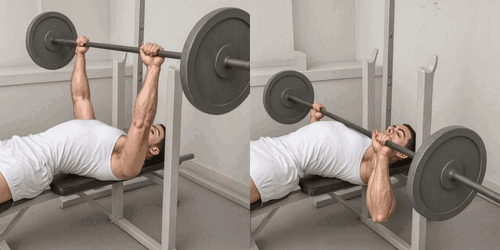

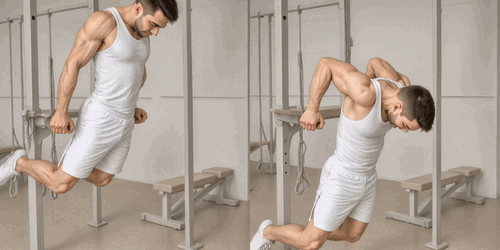
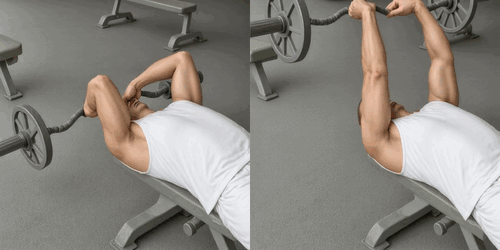

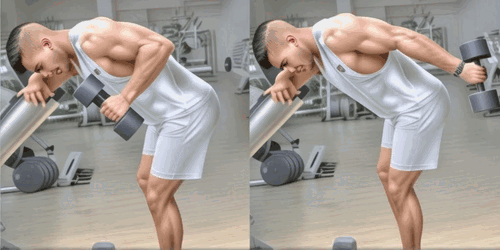
Starte mit Bankdrücken, solange du frisch bist. Nutze dann Schulterdrücken, Dips, Trizepsarbeit und Seitheben, um das komplette Push-Muster aufzubauen.
Eine gute Struktur:
| Übungstyp | Sätze | Wdh. | Belastung |
|---|---|---|---|
| Haupt-Bankdrücken | 3 | 6–8 | 2–3 Wiederholungen in Reserve |
| Schulterdrücken | 3 | 10–12 | hart, aber sauber |
| Dip-Variante | 3 | 8–15 | tiefer, kontrollierter Bewegungsradius |
| Trizeps-Extension | 3 | 8–12 | langsame negative Phase |
| Seitheben | 3 | 12–20 | nah ans Muskelversagen |
| Trizeps-Finisher | 2 | 20–30 | striktes Tempo |
Das Ziel ist nicht, bei jeder Druckübung ans Maximum zu gehen. Nutze Bankdrücken für Kraftpraxis und dann Maschinen, Kabelzüge und Isolationsübungen, um qualitativ gutes Volumen zu sammeln.
Tag 3: Pull, Lat-Fokus
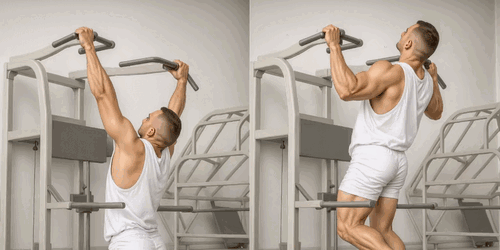
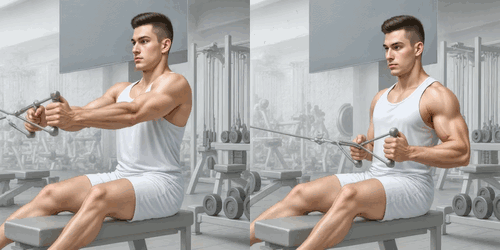
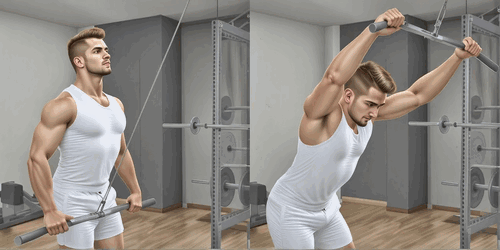
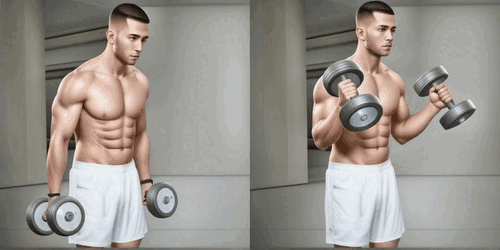
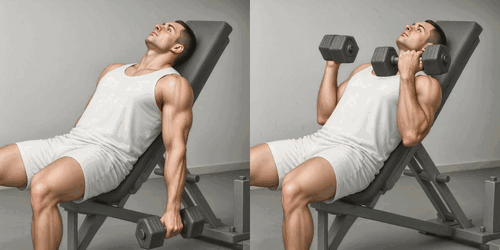
Dieser Pull-Tag priorisiert zuerst den Lat und endet dann mit Bizeps.
Eine gute Struktur:
| Übungstyp | Sätze | Wdh. | Belastung |
|---|---|---|---|
| Klimmzug oder assistierter Klimmzug | 3 | 5–8 | sauberer voller Bewegungsradius |
| Rudern | 3 | 10–12 | Ellbogen nah am Körper |
| Lat-Isolation | 3 | 12–20 | konstante Spannung |
| Hammer-Curl | 3 | 8–12 | schwer, aber kontrolliert |
| Schrägbank-Curl | 3 | 10–15 | strikte Form |
Beim Lat-fokussierten Ziehen sollte der Oberkörper kontrolliert bleiben. Denk daran, die Ellbogen nach unten zu ziehen, statt nur die Hände zu bewegen. Wenn dein Bizeps jede Rückenübung dominiert, werde langsamer und bereinige die Technik.
Tag 4: Beine mit Fokus auf hintere Kette
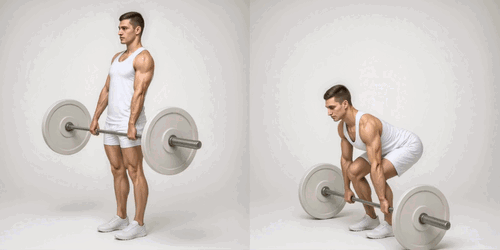
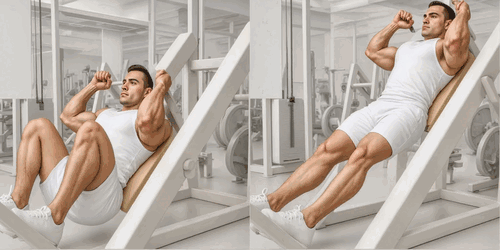
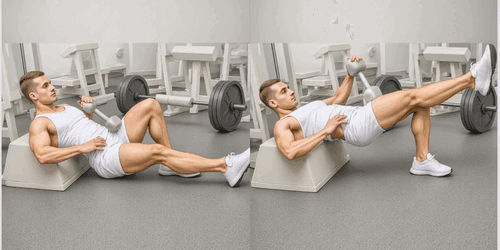
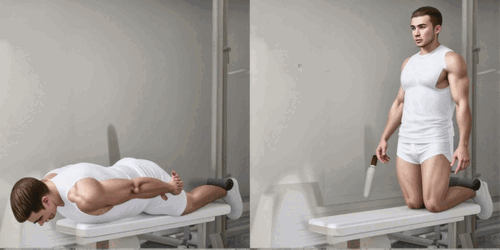
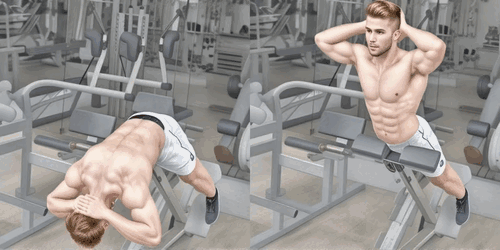
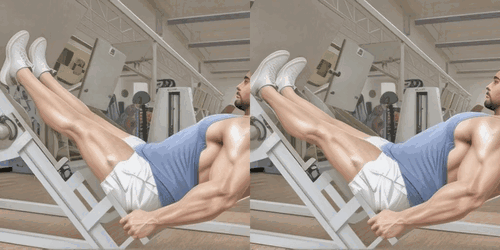
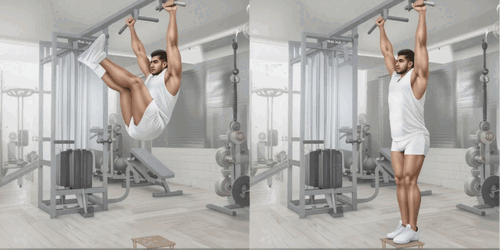
Dieser Tag konzentriert sich stärker auf Gesäß, Beinbeuger und schwere Hüftstreckung, gibt dem Quadrizeps aber trotzdem genug Arbeit.
Eine gute Struktur:
| Übungstyp | Sätze | Wdh. | Belastung |
|---|---|---|---|
| Kreuzhebe-Muster | 3 | 3–5 | submaximal |
| Hack Squat | 3 | 10–12 | 1–3 Wiederholungen in Reserve |
| Hip Thrust | 3 | 8–12 je Seite | harte Kontraktion |
| Beinbeuger oder Nordic-Muster | 2–3 | 6–10 | kontrolliert |
| Rückenstrecker | 2–3 | 10–15 | Gesäß und Beinbeuger |
| Waden | 3 | 8–12 | voller Bewegungsradius |
| Core | 2–3 | auf Zeit oder 8–15 | strikt |
Das Kreuzheben sollte nicht den Rest des Workouts zerstören. Halte es schwer genug, um Kraft zu üben, aber nicht so schwer, dass jede spätere Übung zu Junk-Volumen wird.
Tag 5: Push, Schulter-Fokus
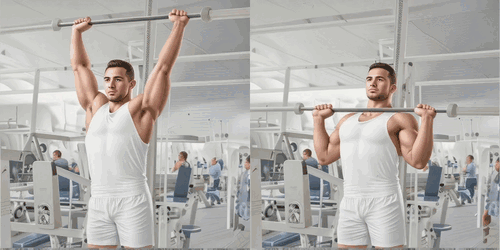
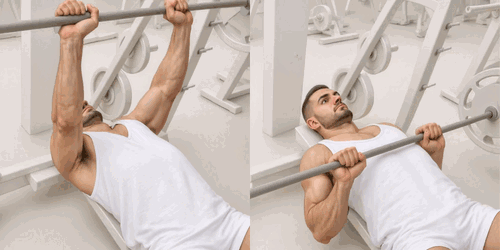
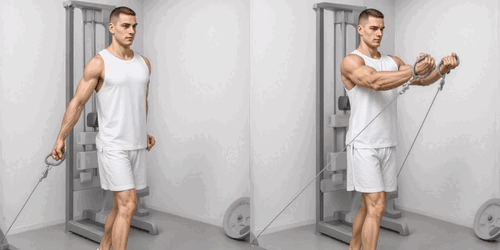

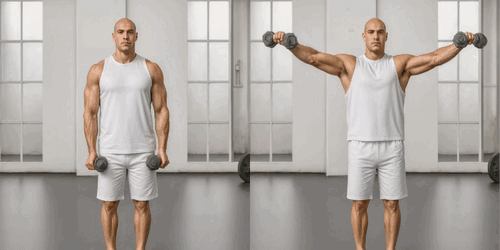
Dieser zweite Push-Tag gibt Schultern und Trizeps mehr Priorität.
Eine gute Struktur:
| Übungstyp | Sätze | Wdh. | Belastung |
|---|---|---|---|
| Überkopfdrücken | 4 | 3–6 | starke, saubere Wiederholungen |
| Enges Bankdrücken | 3 | 8–10 | Trizeps-Fokus |
| Low-to-High Chest Fly | 3 | 10–15 | letzter Satz hart |
| Overhead-Trizeps-Extension | 3 | 10–15 | volle Dehnung |
| Seitheben | 3 | 15–25 | sehr nah ans Muskelversagen |
Seitliche Schultern brauchen oft direkte Arbeit. Drücken allein reicht normalerweise nicht. Halte Seitheben strikt genug, damit die Schultern die Arbeit machen, aber hab keine Angst vor hohen Wiederholungszahlen.
Tag 6: Pull, Fokus auf mittleren Rücken
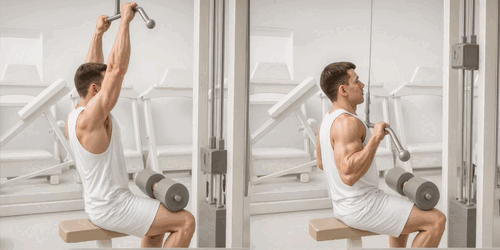
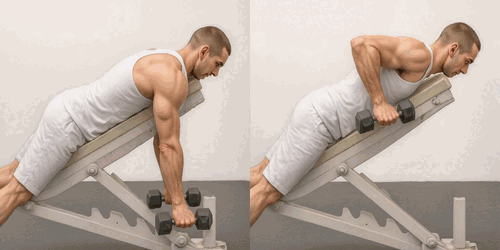
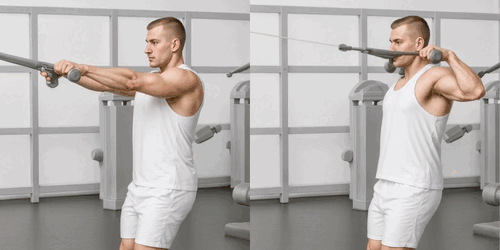
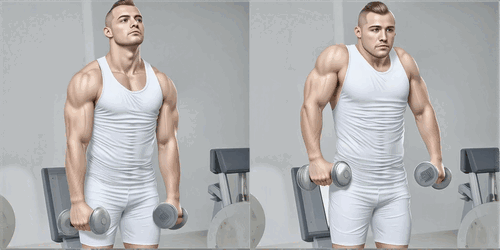
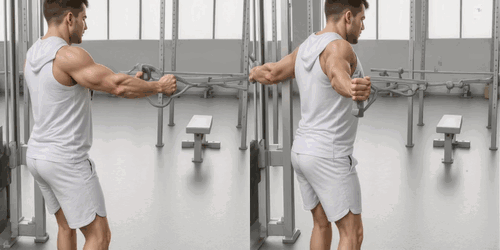
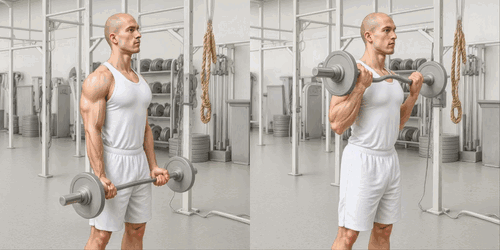
Dieser Tag gibt dem oberen Rücken, den hinteren Schultern, dem Trapez und den Armen mehr Aufmerksamkeit.
Eine gute Struktur:
| Übungstyp | Sätze | Wdh. | Belastung |
|---|---|---|---|
| Latziehen | 3 | 8–12 | kontrolliert |
| Brustgestütztes Rudern | 3 | 10–12 | harte Kontraktion |
| Face Pull | 3 | 12–20 | hintere Schultern und Rotation |
| Shrug | 2–3 | 10–15 | voller Bewegungsradius |
| Isolation für hintere Schultern | 2–3 | 15–25 | strikt |
| Curl | 3 | 10–15 | kontrolliert |
Nutze diesen Tag, um die Teile des Rückens zu trainieren, die oft ignoriert werden. Rudern bedeutet nicht nur, Gewicht zu bewegen. Lass die Schulterblätter mitarbeiten und drücke oben hart zusammen.
Praktische Progressionsregeln
Ändere den Plan nicht jede Woche. Zieh ihn mindestens 6–8 Wochen durch, bevor du ihn beurteilst.
Nutze einfache Progression:
- Wenn du am oberen Ende des Wiederholungsbereichs in allen Sätzen mit sauberer Form ankommst, erhöhe beim nächsten Mal das Gewicht.
- Bei großen Langhantelübungen steigerst du langsam.
- Bei Isolationsübungen erhöhst du zuerst die Wiederholungen, dann das Gewicht.
- Wenn die Leistung über mehrere Einheiten fällt, reduziere das Volumen oder nimm eine leichtere Woche.
- Wenn ein Muskel ständig wund ist und die Leistung fällt, machst du wahrscheinlich zu viel.
Die meisten Lifter brauchen keine fortgeschrittene Periodisierung. Sie brauchen wiederholbares Training, genug Einsatz und ehrliches Tracking.
Häufige Fehler
Bei jeder Grundübung zu hart gehen
Schwere Kniebeugen, Druckübungen und Kreuzheben sind sinnvoll. Aber wenn jeder Satz zum Maximal-Kampf wird, leidet der Rest der Woche.
Halte die meisten schweren Grundübungen bei etwa 1–4 Wiederholungen in Reserve.
Maschinen als „weniger ernst“ behandeln
Maschinen sind kein Cheating. Sie können hervorragend für Hypertrophie sein, weil du näher ans Muskelversagen gehen kannst, mit weniger Anforderungen an Balance und Setup.
Nutze freie Gewichte für Technik und Kraft. Nutze Maschinen und Kabelzüge, um qualitativ gutes Volumen zu ergänzen.
Seitliche Schultern, hintere Schultern und Waden ignorieren
Diese Muskeln brauchen meistens direkte Arbeit. Wenn du nur bankdrückst, ruderst, beugst und hebst, können sie zurückbleiben.
Auch kleine Muskeln brauchen progressive Überlastung.
Regeneration nicht tracken
Ein Plan, der auf dem Papier gut aussieht, kann scheitern, wenn die Regeneration schlecht ist. Schlaf, Ernährung, Stress und das gesamte Wochenvolumen zählen alle.
Wenn dein Logbuch rückwärts läuft, muss sich etwas ändern.
Wie Gymfile hilft
Ein Push-Pull-Beine-Plan ist leicht zu verstehen, aber er funktioniert nur, wenn du ihn sauber trackst.
Gymfile hilft dir, Sätze, Wiederholungen, Gewichte, Pausenzeiten, Routinen und Muskelregeneration an einem Ort zu protokollieren. Dadurch siehst du leichter, ob du wirklich Fortschritte machst oder nur dieselben Workouts wiederholst.
Du kannst deinen eigenen Push-Pull-Beine-Plan bauen, jedes Workout tracken, überwachen, welche Muskeln wieder trainingsbereit sind, und deinen Plan anhand echter Leistung anpassen.
Willst du dein Training einfacher managen? Erfahre mehr auf gymfile.de oder lade die iOS-App im App Store herunter.
Zusammenfassung
Push Pull Beine funktioniert, weil es deiner Woche Struktur gibt.
Trainiere jedes Muster zweimal pro Woche. Nutze eine Version mit schwererer Arbeit und eine Version mit mehr hypertrophieorientiertem Volumen. Starte konservativ, steigere dich schrittweise und halte den Plan lange genug stabil, um Ergebnisse zu messen.
Der beste Plan ist nicht der, der am härtesten aussieht.
Es ist der, den du wiederholen, von dem du dich erholen und den du progressiv verbessern kannst.